
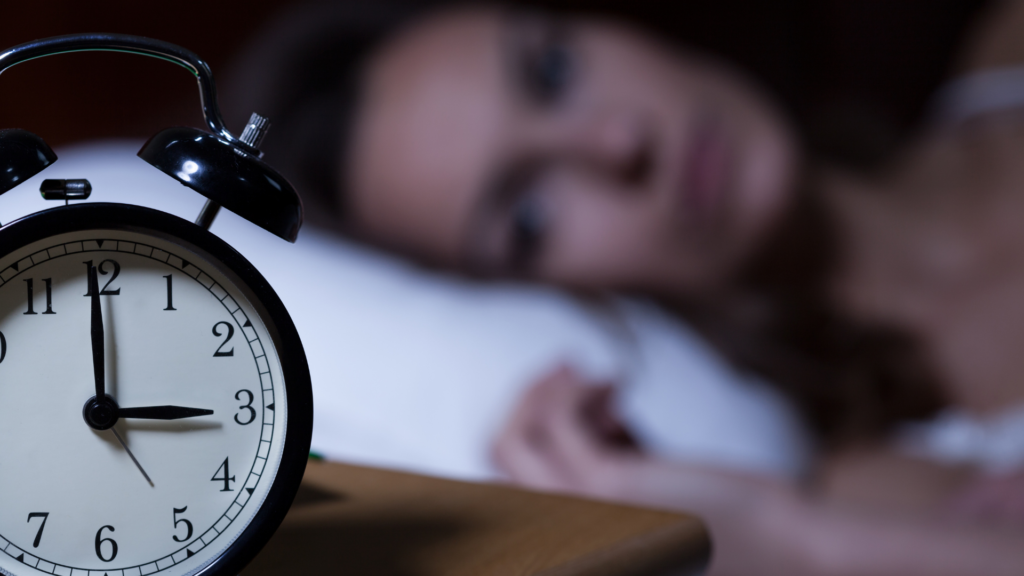
Insomnia is a sleep condition when you have trouble falling asleep, staying asleep or waking up too early and being unable to get back to sleep again.
In this blog, Dr Lindsay Browning answers some frequently asked questions about what insomnia is, what causes it, ways to manage it and the support available.
What does insomnia mean?
Insomnia is where someone has a problem getting enough sleep. It includes having trouble falling asleep; staying asleep or waking up too early and being unable to get back to sleep again.
To be classed as insomnia, the person must take at least 30 minutes to fall asleep, wake for at least 30 minutes during the night, or wake at least 30 minutes earlier than their ideal waking time. In addition, the person must report feeling tired or have some impairment during the daytime following the sleeping problem.
It is classed as ‘chronic insomnia’ when this happens at least three nights a week and has been going on for at least three months.
What causes insomnia?
Short-term sleeping difficulties are often caused by a stress or an illness disrupting sleep. A short-term sleeping difficulty will often resolve itself when the cause goes away, for example, after you have recovered from your illness.
Chronic (or long term) insomnia often occurs when people begin to worry excessively about their sleep, and start to change their behaviour, in the hope of improving their sleep. Paradoxically, most often the result is that sleep patterns get worse.
How prevalent is insomnia?
A 2021 study in Sleep Medicine found that, due to the impact of the Coronavirus pandemic, insomnia levels had increased by 37% in the general population – going from 14.6% pre-pandemic to 20%. It is a sleep issue that is affecting more and more people.
As we move further and further away from the pandemic, NHS Inform still reports “It’s a common problem thought to affect around 1 in every 3 people in the UK.”
How much sleep do I actually need?
The National Sleep Foundation’s 2015 recommendations suggest an average working-age adult should get between seven and nine hours’ sleep per night. See also: Why adults should get 7-9 hours of sleep per night >>
However, recent suggestions are that the minimum sleep requirement may be less. The NHS, for example, recommends getting between 6-9 hours of sleep per night. Data suggests that if you get significantly less sleep, or significantly more sleep than that, you will have worse health outcomes.
Why do people suffer from sleepless nights or struggle to stay asleep?
Firstly, distress and worry caused by our busy lives and the pressures of our modern lifestyle have increased people’s stress levels and anxiety, which has disrupted sleep.
When we are stressed and anxious, our general alertness increases (we are on high alert). This prevents us from sleeping.
Secondly, lifestyle factors have also had a negative impact on sleep. For example, staying indoors more frequently due to working from home or because of the colder, wetter seasons can impact sleep. We know that sunlight exposure is vital during the daytime to help aid sleep at night – so if you don’t leave the house during the day, you won’t get this vital sunlight exposure to help you feel awake during the daytime and sleepy at night.
Also, being physically active helps sleep, yet many of us do not do enough regular exercise, especially in the winter months.
What can be the impact of insomnia on daily life?
Struggling to get enough sleep at night does not just lead to tiredness and fatigue. People will often report headaches during the day, as well as feeling irritable. It can also be difficult to concentrate, in order to complete daily tasks at the same level as you would usually had you been sleeping well.
If you are struggling to sleep and this has left you feeling very sleepy during the daytime then it is imperative that you do not drive a car or operate machinery when you are tired. Road deaths where people fall asleep at the wheel are far too common and utterly devastating. If you feel so sleepy that you might nod off, then delay your journey or take the train.
How is insomnia diagnosed?
If you believe that you are not getting enough sleep and it is causing you distress, then you should speak to your GP.
As well as psychological factors, such as stress, causing insomnia, you may be having trouble with your sleep due to another medical issue, such as a thyroid issue or an iron deficiency.
Also, a condition known as sleep apnoea is very commonly under-diagnosed. It is where people stop breathing for short times during their sleep. This can result in people sleeping for 9 or 10 hours, but waking up feeling exhausted. This is because their sleep was not good quality, due to repeated awakenings during the night. Often people will have no recollection of waking up at all and not understand why they feel so tired. Sleep apnoea can cause great strain on your heart and this is why it is vital to speak to a doctor to help identify what is causing your insomnia.
Can insomnia be cured?
If your sleeping problem is not due to another medical issue, then the recommended treatment for insomnia is cognitive behavioural therapy for insomnia (CBT-I). This is available through several digital online platforms, via your GP (such as Sleepio or Sleepstation), as well as through group or individual therapy, with a specialist sleep therapist, such as myself.
Sleeping pills may be prescribed by a doctor, however, they are often only prescribed for very short-term use. Understanding and treating the cause of the insomnia, with CBT-I, is preferable for long-term improvement of a sleeping problem.
Learn more about my Adult Insomnia services:
Over-the-counter sleep aids often include antihistamine, which has a mild sedative effect. These are not intended for long-term use and they do not help you fix why you are not sleeping in the first place.
Anything you can do to help you feel more relaxed will help sleep. This is because increased levels of stress and arousal are often why people struggle to fall asleep or stay asleep. If yoga, massage, sleep stories or a long walk will help you to feel more relaxed, then that will likely help you improve your sleep. There is no right and wrong way to overcome insomnia – instead it is finding what works best for you.
What self-help methods for insomnia do you recommend?
If you have been struggling to sleep, then looking at your sleep hygiene is a great place to start.
Good sleep hygiene advice includes:
- having a regular bedtime and wake time
- having a wind downtime before bed
- reducing caffeine and alcohol
- increasing your daytime exercise
- increasing daytime sunlight exposure
- reducing light exposure at night
- ensuring your bedroom is a place of relaxation and calm.
You could also read a self-help sleep book to give you some more information about how to improve your sleep, such as my book Navigating Sleeplessness.
If you have had a bad night’s sleep, then do try to continue with your life as normally as possible during the day, rather than cancelling all of your plans. When you keep yourself busy, you are less likely to be thinking about how tired you are all day.
Taking a nap during the day to make up for your poor sleep the night before often leads to a “Catch-22” situation, whereby you are not tired enough to sleep at night, because you took the nap. Therefore, daytime napping is best avoided if you can get through the day, so that you will be more tired at night time and you are more likely to sleep well.

Will insomnia go away?
As discussed, it can be a short-term sleep problem, especially if there is an identifiable cause.
However, if you do have chronic insomnia, and have been struggling to sleep for a long time, no amount of “good sleep hygiene” is likely to improve it.
This is when it is important to seek advice and where CBT-I is so important as a treatment.
Do speak to your GP if you are concerned or contact me, Dr Lindsay Browning, for more advice and information.