

Top tips for adults and children
Whether it is here in the UK or you are off on holiday to a warm location, and you are not sure you will have air conditioning, it is good to be prepared on how to sleep in a heatwave.
Read on for Dr Browning’s recommendations about how you can help yourself and your children to sleep better in higher temperatures, with her 9 expert tips.
Why do we struggle to sleep in a heatwave?
As you fall asleep your body temperature naturally drops. When a room is too hot, thanks to warm temperatures over night, our body temperature finds it hard to drop and so we can struggle to fall asleep.
In an ideal world, a bedroom should be between 16 and 20 degrees Celsius, but without an air conditioning unit, here are some other ways to try and get the temperature down to that recommended range and some ways to help keep you cooler too.
What to do to make it easier to sleep when it is hot
1. Keep the room cool as possible
When we don’t have the luxury of air conditioning, we need to think about how to keep the bedroom as cool as possible during the day, to help us sleep at night.
Keep blinds, windows and curtains shut throughout the day. Double-glazing actually works well to keep heat out, so do not open windows during the day. If you do, direct sunlight from open windows will just heat up the room.
However, you can open windows later in the evening, when the air is cooler.
This technique will stop the sun from heating the room in the day, but make the most of cool air at night, as well as allowing any evening breeze to circulate air in the room.
2. Cool down before bed
Keep yourself cool before bed. This includes avoiding heavy, spicy food or doing lots of exercise, for example.
You can take a cool shower to bring your body temperature down and children can have a cool bath, before bed.
If you can’t shower or bath, putting your feed in cold water (just using a washing up tub or bucket) can help to bring your body temperature down too.
3. Wear PJs made of natural fibres
Cotton pyjamas are great for the heat because they can help to whisk away moisture – such as sweat – this helps lower your temperature because the vapour is free to transfer through the fibre, lowering the humidity between the fabric and the body, which provides you with a cool feeling.
If you or your children are happy to sleep nude, this can also help keep you cool, but only if the bedsheets are also made of natural fibres, such as cotton. Bedsheets made from polyester fabrics can make for a clammy and uncomfortable night.
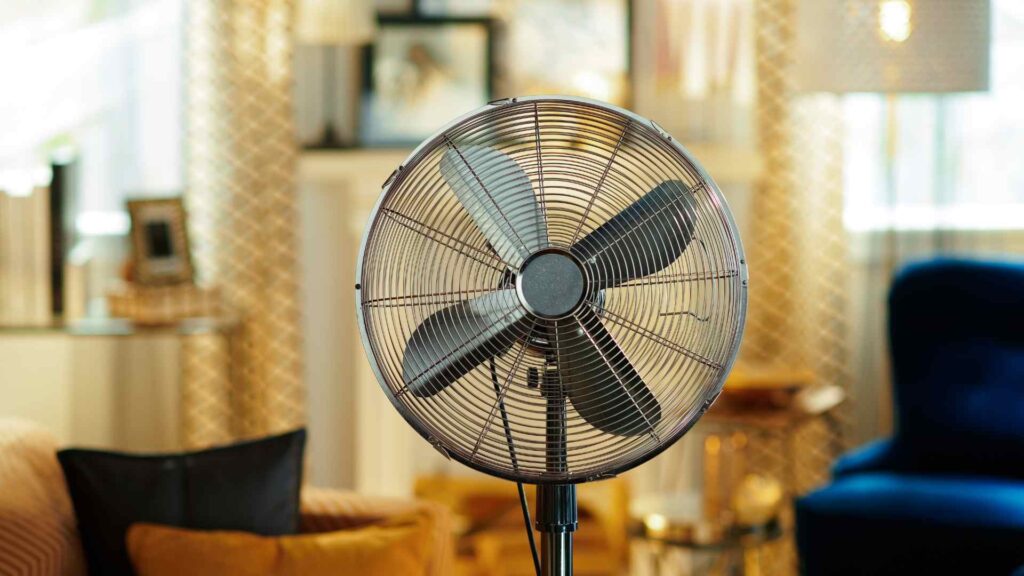
4. Use a fan
A fan can help move air around the room to help keep the you cool.
Another trick is to put a frozen water bottle in front of the fan to blow even cooler air around. Be sure that electricity, plugs, etc., are safe from any condensation or water, of course.
5. Use a misting spray and/or a cool wet flannel
Get a water spray or mist spray to have next to your bed. You can mist your face and body, as well as your pillows and sheets. Keep it close by to use if you wake in the night.
You can also try placing a cool wet flannel on your forehead, body or chest, for a short while. This can be quite calming.
6. Keep hydrated
During hot weather, it is easy to get dehydrated.
Make sure you and your children drink plenty during the day. Have a drink of cold water on the bedside table to sip upon if you wake.
7. Fill a hot water bottle with crushed ice and cold water.
Plan in advance and fill up a hot water bottle with cold water and some ice, then place it in your bed a little while before you plan to go to sleep.
You can take it out when you get in to bed or you can sleep with it. However, if you leave it in the bed with you, make sure that the hot water bottle has a cover so that the ice cold bottle does not come into direct contact with the skin.
8. Ditch your duvet
If you prefer to sleep with something covering you at night, then instead of your duvet (no matter how low the tog) you could use a plain cotton bedsheet or quilt cotton cover instead of the full duvet insert. If you are sharing a bed you could try using a separate bed sheet each. This will ensure moisture wicks away from each individual and means bed-sharers don’t end up sticking to each other.
If you can bear it, sleep with your feet outside of the covers as well. We lose heat from our head and feet, by covering them you are trapping the heat. Set those toes free and feel cooler as a result.
9. Avoid vigorous exercise too close to bedtime
Engaging in vigorous exercise too close to bedtime can impact your ability to cool down and potentially disrupt your sleep. When you exercise vigorously, your body temperature rises, and it can take some time for it to return to normal levels. This rise in body temperature can interfere with the natural cooling process that occurs during sleep and make it more challenging for you to fall asleep or maintain a restful sleep.
Ideally, it’s best to allow a sufficient cool-down period after vigorous exercise before going to bed. This will give your body enough time to lower its temperature and return to a more relaxed state. The specific duration needed for a cool-down period can vary from person to person, but a general guideline is to avoid exercising vigorously within 90 minute of bedtime.
More help with sleeping in a heatwave
Luckily, in the UK, a heatwave is often short-lived! However, even a couple of hot, sticky nights can be really uncomfortable and leave you feeling exhausted. You also don’t want heat to ruin your holiday rest if you the temperature in your bedroom is high, especially if you are only away for a week. So, be prepared and do what you can to help you sleep in hot weather.
If you have children, there are some more specific tips for them here too: