
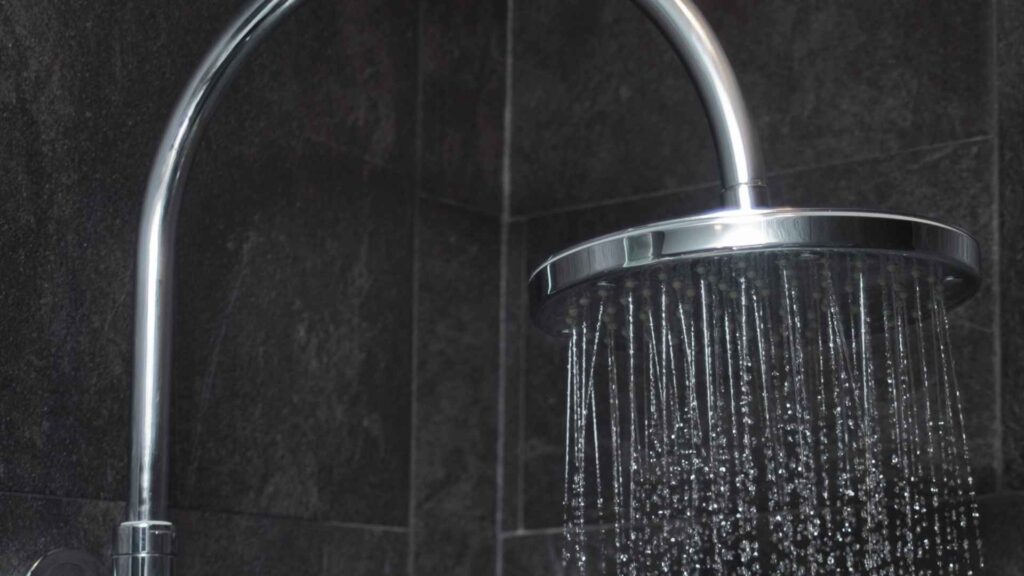
There is a sleep trend that is being much-discussed on social media, called “Dark Showering”.
In this blog, Dr Lindsay Browning explores what it is, why it is trending and what may be the evidence behind its effectiveness to help you sleep (or, perhaps, not!). Take a read.
What is dark showering?
Have you heard of ‘dark showering’? My research suggests there has been a sharp increase in searches for ‘dark showering’ over the past year or so. With this in mind, I wanted to share a bit more about what it is and how effective it is.
With the importance of sleep becoming a mainstream issue and taking up more of our social media feed, people are constantly drawn to novel tips and tricks to improve sleep. Not all of which are actually helpful or scientifically beneficial, by the way!
Dark showering is exactly what it suggests – it’s the idea of taking a shower in the dark or very minimal light.
Why would you take a shower in the dark?
Dark showering is pulled from the idea that dim lighting helps to tell the body that it is night, and time for sleep. Also, showering before bed may help promote sleep due to the warmth and relaxing nature of the shower itself.
The appeal of “dark showering” may be, in part, because it gives people permission to take time away from their phones and devices and practice some self-care.
“Dark showering”, although memorable, is hardly a new idea. People have been bathing in the evening in candlelight for centuries.
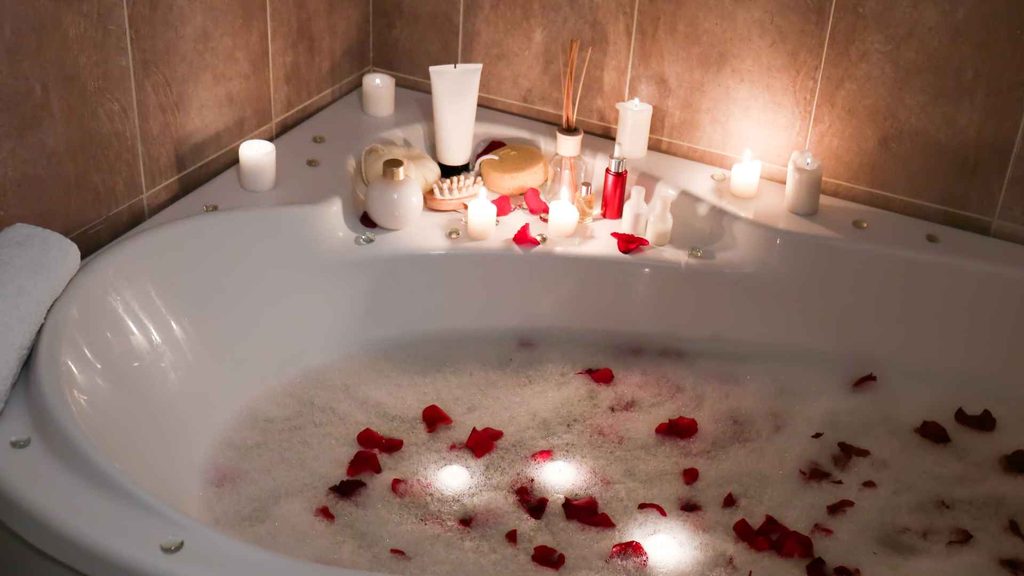
It is really common for people who are struggling with their sleep to overly focus on creating a perfect bedtime routine. However, this often backfires as the activities they are doing are not calming and relaxing because they are not doing them for their own sake, they are doing them to try to improve their sleep. If you do something deliberately to try to fix your sleep, it can create excessive levels of anxiety about that activity and hypervigilance about trying to determine if the new activity is going to work.
Most good sleepers do not have elaborate pre-bedtime routines, designed by social media advice. Most good sleepers simply spend their evening doing things that they enjoy, avoiding things that are particularly bad for sleep, (such as caffeine close to bedtime, stressful activities and extremely bright lighting) and then go to bed after a brief wind down time. If your sleep is poor, it’s unlikely that you need to create an elaborate pre-bed routine, or add in ‘dark showering’.
How does reduced light help us sleep?
Light is a powerful cue for our body to know the difference between day and night.
Bright light in the evening can suppress melatonin (our sleep timing hormone), make us feel more alert, and shift the timing of our body clock (our circadian rhythm) later, potentially delaying sleep onset. In particular, short wavelength blue frequency light, as opposed to light in the warmer tones, may have a more significant impact on sleep. You can learn more about light exposure, from a 2022 report, here. However, the level to which light impacts sleep is very dependent on the brightness of the light and how much bright light someone has seen during the day.
For example, some studies suggest that earlier bright light exposure during the day can reduce the impact of evening light. This means that normal levels of household lighting in the evening may have less of an impact on sleep if people have been outdoors during the day to get natural bright daylight. Additionally, a 2024 review found generally small differences in the time taken to fall asleep when using bright-screens before bed, with the largest delay in falling asleep being only 10 minutes.
An excessive focus on light levels before bed may actually backfire for some people, as it could lead to an unhealthy focus on having to do certain actions to make sleep happen.
How effective is a warm shower and softer lighting before bed for helping us sleep?
A warm shower (or bath!) before bed can be helpful to promote sleep, as noted in this 2019 study, because the warmth from the bath or shower can increase blood flow to the skin and warm up your core body temperature.
Then, when you get out of the bath or shower you start to cool down. This drop in core body temperature is what naturally happens as we fall asleep and, therefore, the warmth of the shower or bath helps to support this process. Additionally, a warm bath or shower can help to relax the body. This can help you to feel more calm, especially if combined with pleasant shower gels or bath fragrances.
If you enjoy showering, then doing this in the hour or two before bed may be beneficial. Although, some studies have found positive benefits of a warm bath or shower before bed with the bath or shower lasting as little as 10 minutes!
Softer lighting may add to the feeling of relaxation. Consistently doing this activity before bed could help you associate this activity with winding down and you may psychologically associate this with bedtime.
However, I do not know of any studies looking at the efficacy of low light bathing or showering and its impact on sleep. So, although in theory this may help, we can’t say that it definitely will. As with most wind-down practices, they are most effective only if you find the activity itself relaxing and calming.
In essence, people should do something in the evening and before bed that they find genuinely relaxing and enjoyable, rather than doing something for the sake of trying to force themselves to sleep well. If you enjoy showering before bed and you enjoy doing so in reduced lighting, then by all means continue to do that or try it. However, if you have never been someone who enjoys taking a bath or shower in the evening, you are concerned about the potential of falling in low levels of lighting, or you’re significantly struggling with your sleep, then I would not recommend you try dark showering.
Unfortunately, an evening shower is not a proven cure for insomnia. If you are struggling with persistent poor sleep, especially if it is affecting your daytime functioning and mood, then scientifically validated treatments, such as CBT-I are recommended as first-line interventions.
Are there any concerns to be aware of, regarding Dark Showering?
One thing that I find particularly concerning about “dark showering” is the promotion of needing to use extremely low light levels (including actual darkness), which could lead to increased risks of falling in the slippery shower, or when getting in or out of it.
There is plenty of evidence that very bright light before bed should be avoided, but there is a big difference between bright light and no light. Reducing bright evening lighting may help support sleep, but there is no established need to shower in darkness.
Dark Showering – In summary
Dark showering is another trend which has gone viral on social media about better sleep. However, although there is research supporting some of its components, dark showering itself is not an established treatment for insomnia.
Instead, I worry it may lead to people feeling the pressure to change what they are already doing and to add another step to their bedtime routine. Also, in this case, dark showering has the potential to cause harm if somebody were to shower in too low lighting and slip or fall.
In my experience as a sleep therapist, most people who come to see me are desperate and say that they have tried everything to improve their sleep because they have tried every tip and trick on social media. They have tried various herbal teas, supplements, as well as many different sleep gadgets and products, relaxation and breathing techniques, meditations as well as avoiding screens in the evening, dimming lights and now dark showering. However, the reality is that insomnia can develop for many reasons. For some people, worry or anxiety about the need to control their sleep leads to insomnia, and the more people do to try to actively improve their sleep, often the worse it gets.
CBT-I is the gold standard treatment for insomnia and helps people to reduce their anxiety about sleep and helps them to engage in behaviours that are actually helpful for sleep, rather than focussing on all of the non-proven viral trends.
If you are significantly struggling with your sleep, then I would recommend that you speak to a professional and get evidence-based support and treatment.